BOTANICAL GOODS · TRADITIONAL USE
A little garden
of herbal tradition.
Meet the medicinal plants people have grown, gathered, and prepared across generations. Start with a plant, learn its story, and grow with care.
Traditional use is not proof of effectiveness. We keep the context—and the cautions—close.
THE HERBAL GARDEN
Meet the plants.
A small, illustrative collection of familiar plant starts. Each card shares traditional-use context—not a promise of a health outcome.
These filters describe traditional contexts, not proven health effects.
Showing 4 plants
No plants found. Try another search or filter.
Demo only: these sample plant starts and prices do not represent a live tea or tincture catalog. Confirm real products, ingredients, pricing, availability, and all product copy before accepting orders.
FROM THE GARDEN TABLE
NUTRITION SPOTLIGHT · NOT FOR SALE
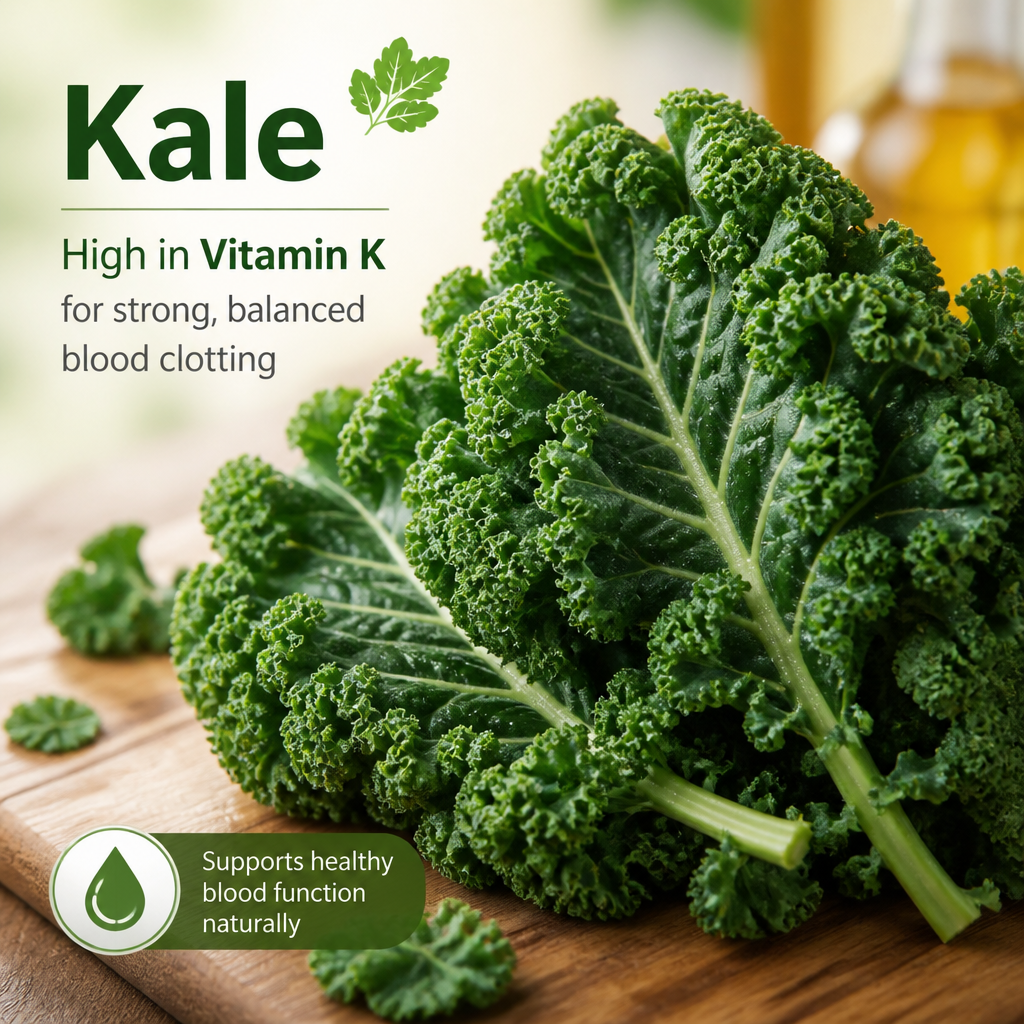
Kale & Vitamin K Wellness Spotlight
Kale is a leafy green and a food source of vitamin K, a nutrient the body needs for normal blood clotting. I love adding it to smoothies, salads, or a quick sauté with olive oil and garlic. How do you enjoy yours?
Source: NIH Office of Dietary Supplements — Vitamin KGeneral food education, not medical advice or a health claim about a Plant Nursery7 product.
FROM THE GARDEN TABLE
GARDEN-TO-TABLE SPOTLIGHT · NOT FOR SALE
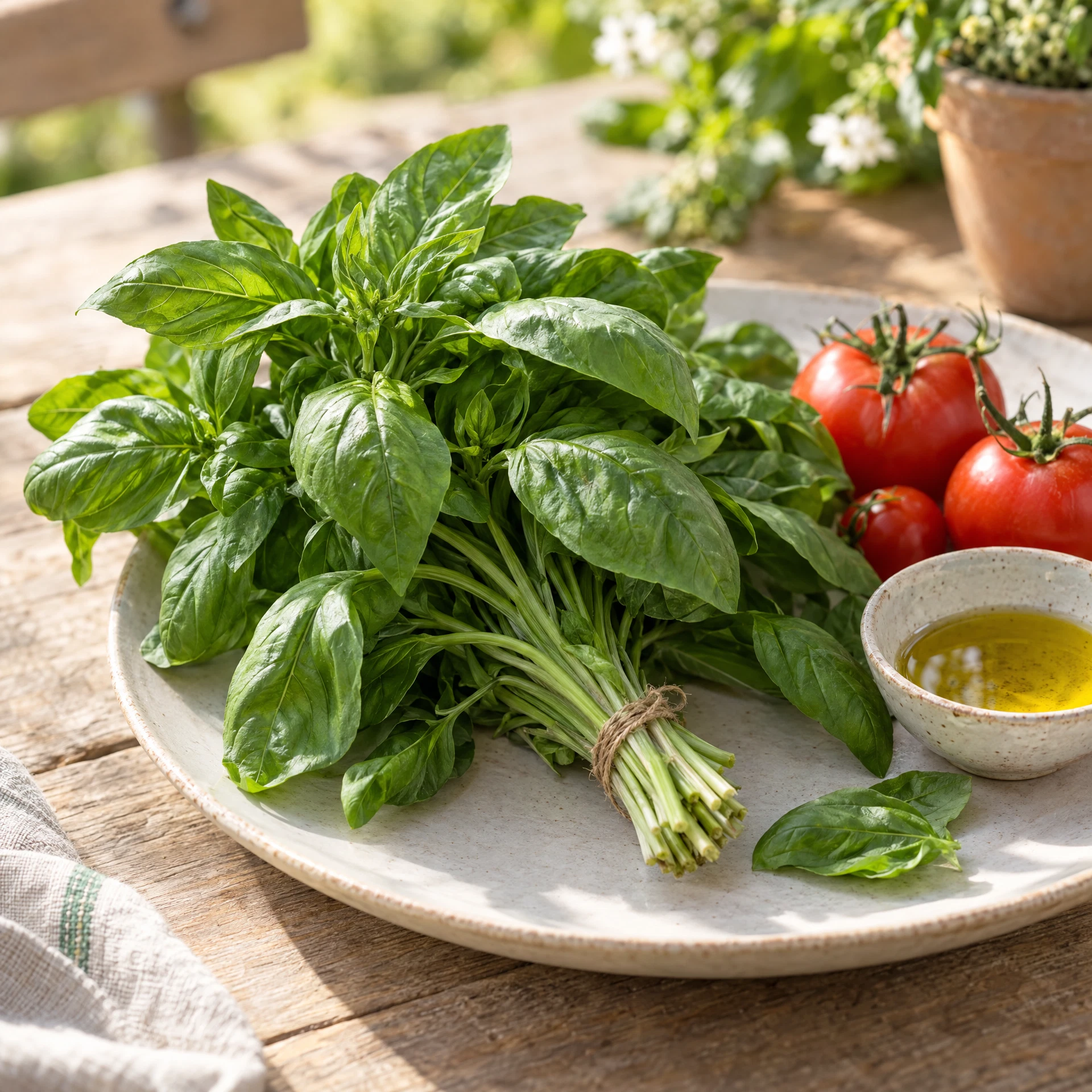
Basil & an Everyday Wellness Moment
Sweet basil (Ocimum basilicum) is a familiar aromatic culinary herb. Tear fresh leaves over tomatoes, stir them into soups near the end of cooking, or blend them into pesto. A few minutes in the kitchen can be a simple moment of everyday care. How do you enjoy basil?
Source: University of Illinois Extension — BasilKitchen inspiration and general plant information—not medical advice or a health claim about a Plant Nursery7 product.
THE GARDEN COMMUNITY
Notes from the garden.
Share feedback on the sample storefront or a plant. This preview keeps your entry in this browser only.
Preview only. Demo reviews stay on this device, are not sent to the shop, and are not verified customer feedback.
No demo reviews saved in this browser yet.
ABOUT THE PLANT NURSERY7 LLC
Rooted in nature.
Guided by grace.
A passion for plant-based medicine. Rooted in nature, guided by God’s grace and mercy.
The Plant Nursery7 began in October 2018, inspired by a prophetic Bible study about the future. Scripture speaks of plants for cultivation and food, leaves associated with healing, and traditional preparations—including passages in Psalm 104:14, Ezekiel 47:12, Revelation 22:2, Isaiah 38:21, Jeremiah 8:22, and 1 Timothy 5:23. These references are part of our spiritual and historical inspiration; they are not evidence that a product treats or cures illness.
For years, I crafted herbal tinctures and teas for friends and family. We brought a small table of homemade tinctures to our first farmers’ market—and sold out within two hours. We found a community looking for more than products: connection, knowledge, and a trusted guide.
Our faith honors Jehovah Rapha—the God we worship as healer. That belief inspires our care and stewardship; it is not a promise that any tea, tincture, or plant will heal disease. We aim to make plant traditions approachable, understandable, and joyful, with ingredients, traditional context, and cautions kept close.
Herbal products may have side effects or interact with medicines. They are not a substitute for medical care. For personal health questions, speak with a qualified healthcare professional.
Read NCCIH's consumer guideA NOTE BEFORE YOU GROW
Natural deserves care.
Herbal products may interact with medicines or pose risks for some people. “Natural” does not always mean safe, and information about benefits is not equally strong for every plant.
Talk with a qualified healthcare professional before using herbs—especially if you take medicine, have a health condition, or have surgery planned.
Pregnant or nursing, or choosing plants for a child? Ask a clinician first; many herbal products have not been well studied for these groups.
These sample profiles are educational, not medical advice. They do not diagnose, treat, cure, or prevent disease.
YOUR ACCOUNT
Your orders, in one place.
Sign in securely with your Manus account to view your own orders and submit a review for a purchased product.
Checking your sign-in status…
Order history
Loading your orders…
Review a purchase
Only products from a completed order can be reviewed. New reviews are held for moderation before they appear publicly.
STORE MANAGEMENT
A careful shop, well tended.
Manage product details, Stripe Price IDs, inventory, and review moderation. New products are drafts and never go live until you activate them.
Checking administrator access…
Sign in to manage the shop
Store management requires a verified administrator role.
Sign in with ManusClaim the first administrator account
Use the one-time bootstrap token configured in protected project secrets. This claim is available only once.
Add a product draft
Use a one-time Stripe Price ID created in Stripe. Prices are verified server-side; the browser never sets the charge amount.
Catalog and inventory
Loading products…
Customer-review moderation
Loading pending reviews…
Order email delivery
Paid-order receipts are kept in a durable outbox. Delivery stays pending until you connect a customer email provider.